Biochar for animal feed
Biochar in animal feed can improve digestive health and lower vet costs.
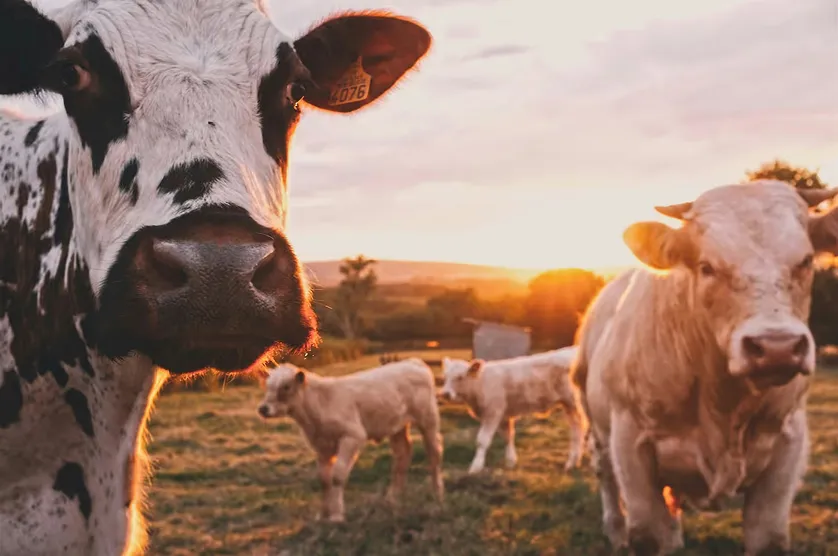
Key features
Adding biochar to feed can improve digestive health by promoting beneficial gut bacteria and enhancing nutrient absorption. Its adsorptive properties help bind toxins like mycotoxins, reducing toxicity risks.

Biochar supports a healthy gut by providing a habitat for beneficial microbes.

Biochar retains nutrients, increasing fertilizer value and reducing odors.

Biochar adsorbs mycotoxins, bacterial toxins, and other undesirable compounds.
Animal feed that sustains
Biochar in animal feed can improve digestive health by promoting beneficial gut bacteria and enhancing nutrient absorption. Its adsorptive properties help bind harmful toxins like mycotoxins, reducing toxicity risks.
Biochar can also improve feed efficiency, leading to better weight gain and reduced feed costs, while decreasing ammonia emissions to benefit both animal health and the environment. Biochar’s antioxidant properties may boost animal immunity and overall health, reducing veterinary costs.
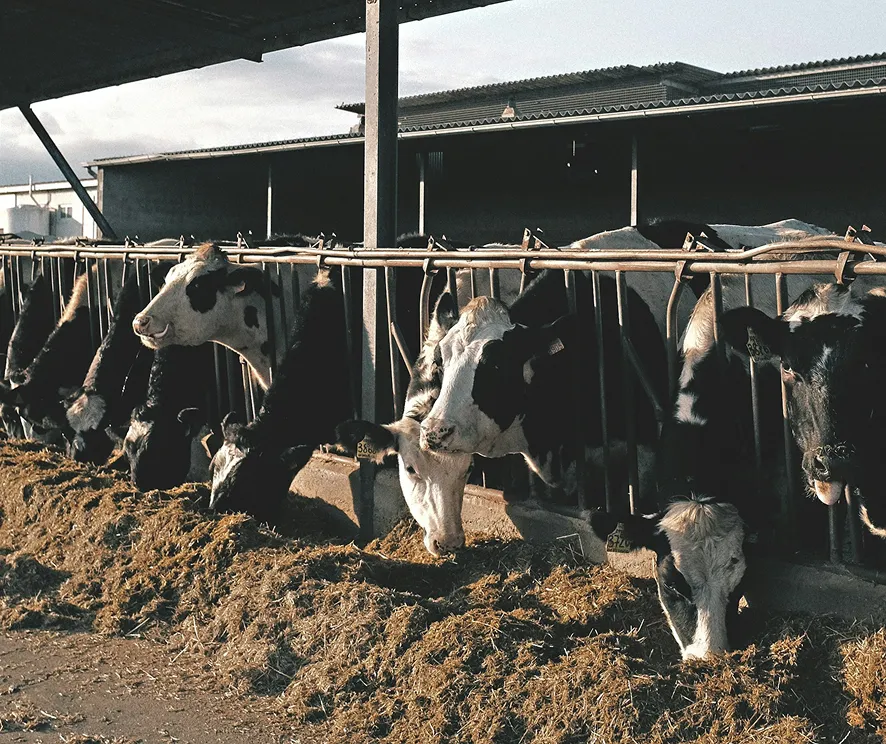
Reducing carbon in cows
Adding just 0.5-1% of biochar to livestock feed can reduce methane by 10%+. Biochar passes through the cow and, once it comes out the other side, insects get to work to bury this carbon into the ground. This natural process keeps carbon locked away for hundreds of years, all whilst improving soil health.
Application of biochar in animal feed
Rate of Application: 0.5-2% of total dry feed weight.
Ideal Particle Size: Fine particles (<1mm).
Interested in buying biochar for animal feed?
A little biochar can go a long way when it comes to animal feed. Improve animal welfare and reduce vet costs with our premium biochar.

Explore More
Biochar Applications
Landscaping
Biochar helps create healthy, sustainable environments that will look great and provide soil benefits for years to come.
Growers
If your business needs high yields, healthy produce and a long shelf life, biochar can deliver great, sustainable results.
Building Materials
Biochar can be added to concrete and other building materials to increase performance and help achieve sustainability targets.

Animal Bedding
Biochar can improve animal heath and reduce emissions and odors from livestock.

Transportation & delivery
