Biochar in the UK
A comprehensive guide to biochar in the UK.
What is biochar?
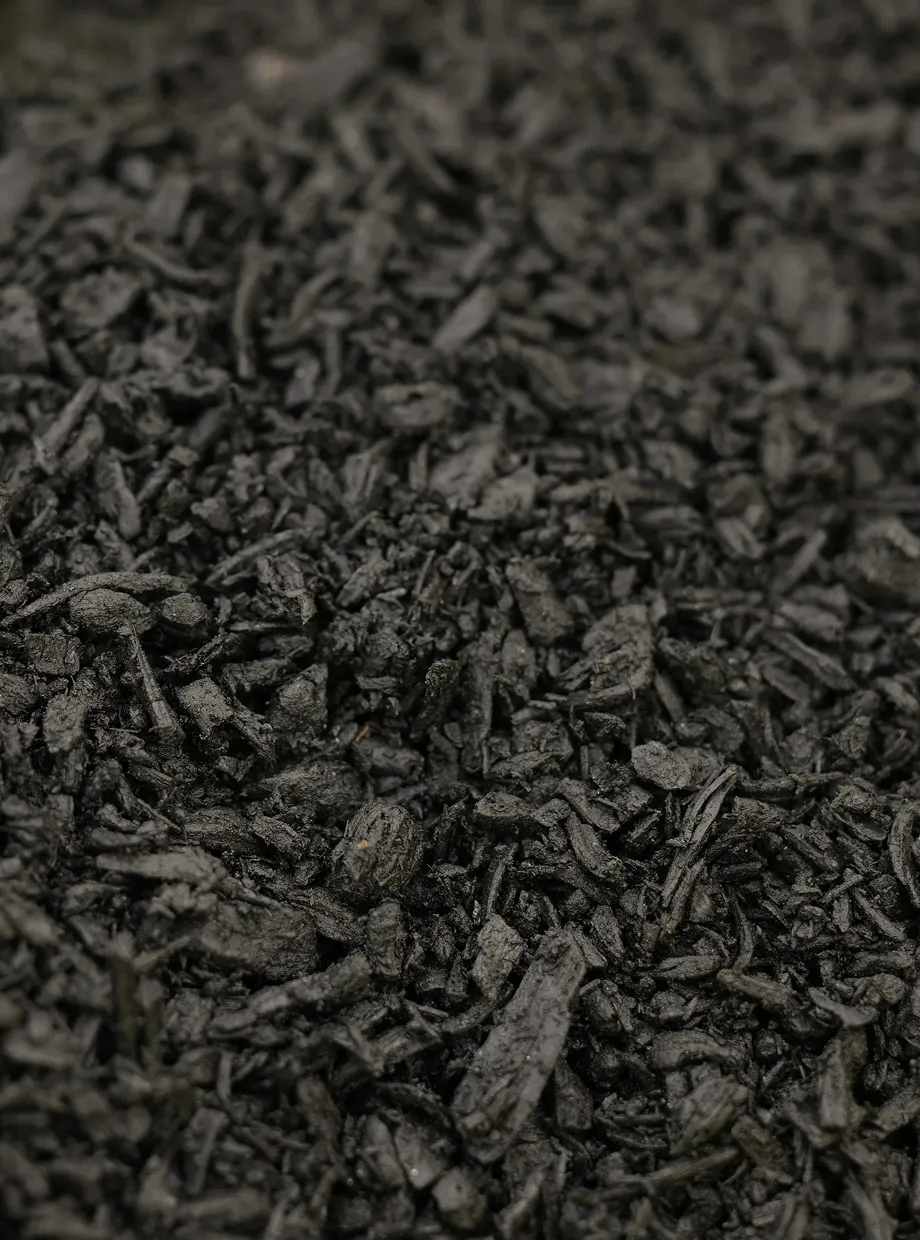
Biochar is a charcoal-like substance produced through pyrolysis, a process that converts organic biomass into a stable form of carbon. This material enhances soil quality, retains nutrients, and reduces the need for chemical fertilizers. Biochar is gaining traction in the UK for its environmental and agricultural benefits.
What is the history of biochar?
The origins of biochar trace back to ancient agricultural practices, particularly in the Amazon, where "terra preta" soils were enriched with charred biomass. Today, biochar is recognized in the UK for its potential to improve soil and combat climate change, building on both historical knowledge and modern research.
What is biochar made from in the UK?
In the UK, biochar is produced from a range of sustainable organic materials, such as wood waste, agricultural residues, poultry litter, manure, cocoa shells and spent coffee grounds. These feedstocks are selected for their environmental benefits and local availability. By utilising such diverse materials, UK biochar producers support a circular economy, reducing waste and repurposing by-products into valuable resources. Biochar enhances soil health, improves water retention, and contributes to sustainable agricultural and construction practices.
How is biochar manufactured in the UK?
In the UK, biochar is produced through pyrolysis, a process where biomass is heated in a controlled, low-oxygen environment. Once initiated, the pyrolysis process becomes self-sustaining, as the heat generated during pyrolysis can be used to maintain the process. This heat also produces green energy that can either be sold back to the grid or used on-site to meet other energy needs. This integration of renewable energy makes biochar production both efficient and sustainable, contributing to carbon capture and improving soil health.
Biochar UK
Commercial use cases
How can biochar be beneficial for trees in the UK?
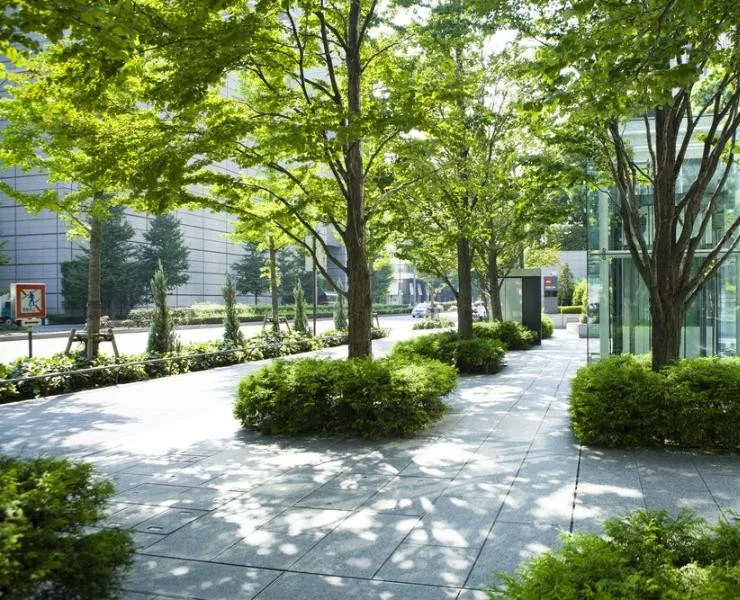
Biochar benefits trees by improving soil structure, increasing nutrient availability, and enhancing water retention. It supports healthier tree growth and resilience against environmental stressors such as drought and disease. Additionally, biochar aids in long-term carbon storage in tree plantations, contributing to sustainability efforts.
How can biochar be beneficial for lawns and turfs in the UK?
Biochar improves soil aeration, enhances water retention, and increases nutrient availability in lawns and turfs, resulting in healthier, greener grass. It's especially effective in reducing soil compaction in high-traffic areas like sports fields and parks, and it lowers the need for frequent watering and fertilization, leading to more sustainable lawn care.
How can biochar be beneficial for horticulture in the UK?
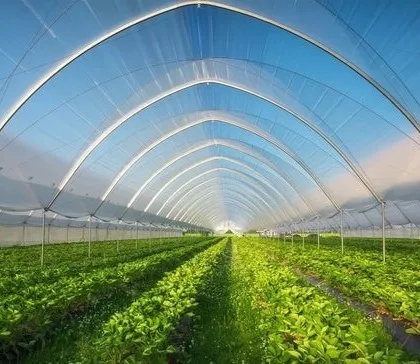
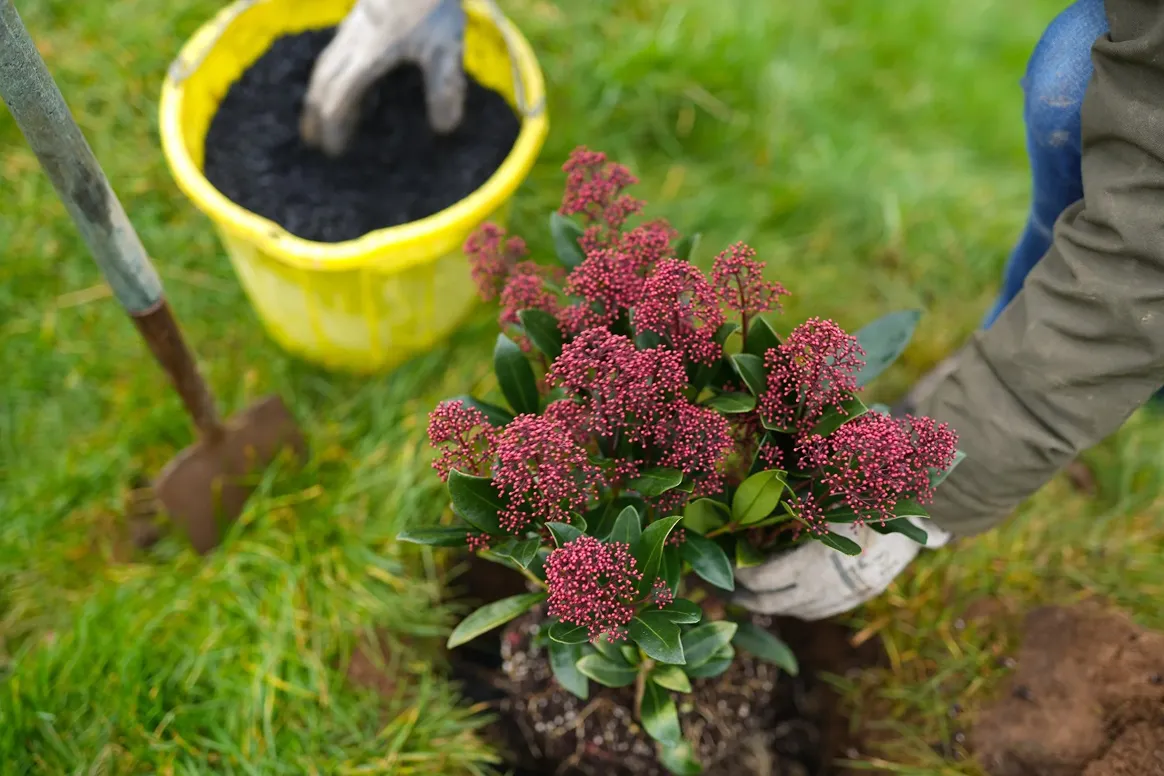
In horticulture, biochar enhances soil structure, retains moisture, and supports root development. It's particularly useful in potting mixes and greenhouses, where it fosters beneficial microbial activity, leading to healthier plants and higher yields. Biochar also reduces the reliance on chemical fertilizers, promoting sustainable growing practices.
How can biochar be beneficial for agriculture in the UK?
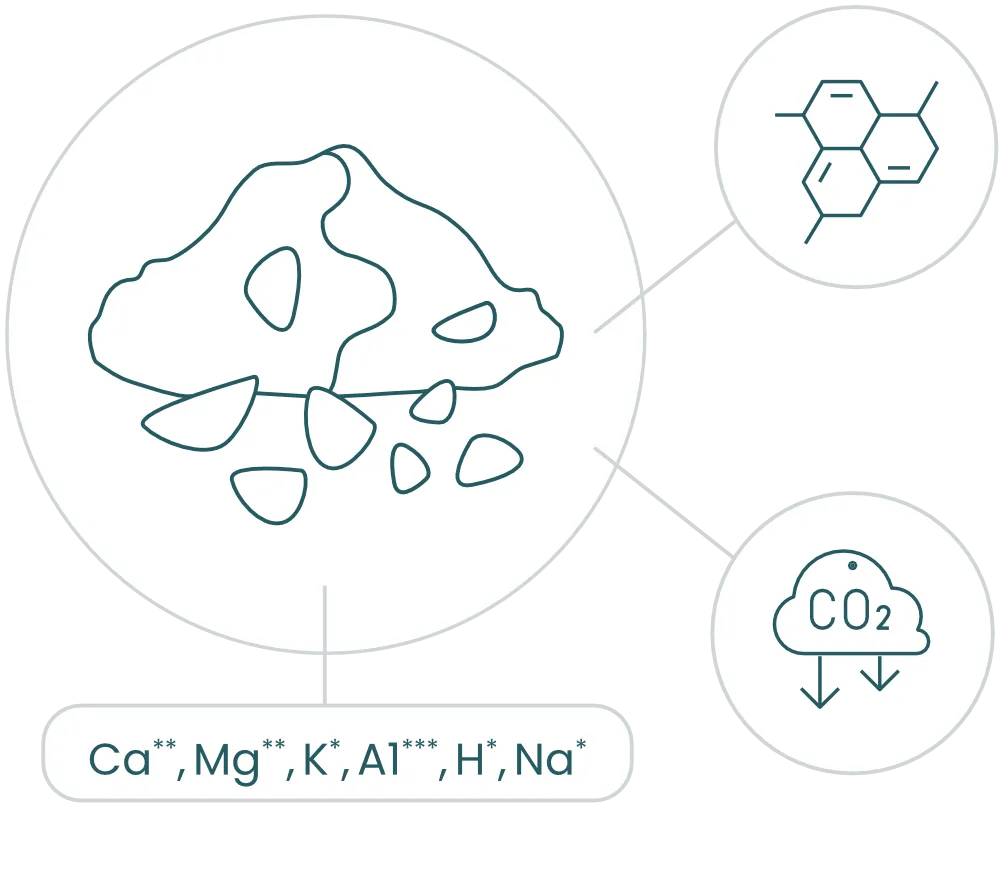
Biochar improves soil fertility, enhances water retention, and increases crop yields. By enriching soil structure and boosting organic matter, biochar also raises the cation exchange capacity (CEC) of soils, making nutrients more accessible to plants. This improvement reduces the need for synthetic fertilizers and enhances overall nutrient efficiency. Biochar's water-conservation benefits are particularly valuable in drought-prone areas, and its carbon-sequestration properties align with the UK’s climate-friendly farming practices.
How can biochar be beneficial for construction in the UK?
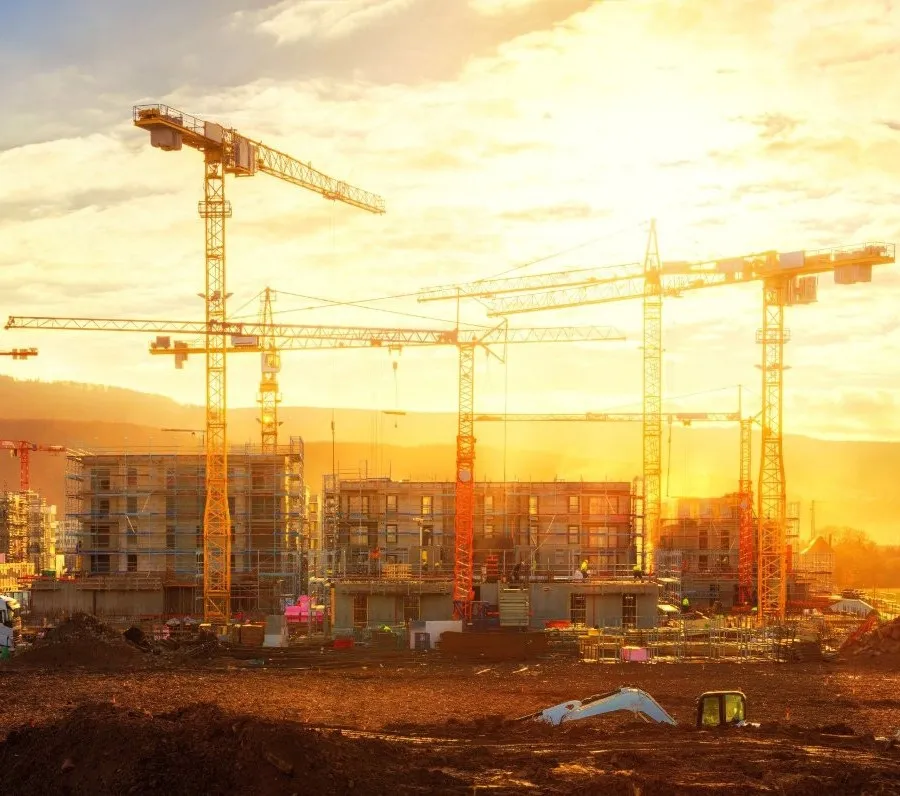
In the UK construction industry, biochar is incorporated into building materials like concrete and insulation to improve thermal efficiency and lower the carbon footprint of buildings. Its carbon-sequestration capabilities contribute to sustainable construction practices, enabling developers to create more energy-efficient structures that align with environmental standards. This use of biochar not only enhances the durability and sustainability of buildings but also supports the broader goals of reducing greenhouse gas emissions in the construction sector.
Interested in buying biochar?
Improve soil fertility, strengthen low-carbon concrete, enhance filtration and remediation, or support animal health with our premium biochar.

Biochar UK
Environmental impacts
What are the environmental benefits of producing biochar in the UK?
Producing biochar in the UK offers several environmental benefits. It helps sequester carbon, reducing greenhouse gas emissions and combating climate change. Biochar production also repurposes waste biomass, reducing landfill use and promoting a circular economy. Additionally, biochar enhances soil health, improving water retention and reducing the need for chemical fertilizers, which can have harmful environmental impacts.
How can the UK biochar sector help fight climate change?
The UK biochar sector plays a crucial role in fighting climate change by capturing and storing carbon that would otherwise be released into the atmosphere. By converting organic waste into stable carbon, biochar production prevents the emission of carbon dioxide and other greenhouse gases. Additionally, biochar improves soil health, which can lead to increased plant growth and further carbon sequestration. The sector also supports sustainable agriculture and reduces reliance on fossil fuel-based fertilizers, contributing to the UK’s overall climate goals.
What is carbon sequestration and how does it relate to UK biochar?
Carbon sequestration is the process of capturing and storing atmospheric carbon dioxide to mitigate climate change. In the context of UK biochar, carbon sequestration occurs when biochar is produced and applied to soils. The carbon in the biomass is locked into a stable form during pyrolysis, preventing it from re-entering the atmosphere as CO₂. When applied to soils, biochar can remain stable for centuries, making it an effective long-term strategy for carbon storage.
.webp)

How much carbon does biochar remove from the atmosphere?
The amount of carbon biochar can remove from the atmosphere varies depending on the feedstock and production process. On average, for every tonne of biochar produced, approximately 2.5 to 3 tonnes of CO₂ equivalent are removed from the atmosphere. This high carbon capture efficiency makes biochar a valuable tool in climate change mitigation, particularly when applied at scale across agricultural and environmental restoration projects in the UK.
What are biochar carbon credits and where can I buy them in the UK?
Carbon credits are tradable certificates representing the reduction or removal of one tonne of carbon dioxide (CO₂) from the atmosphere. Companies and individuals can buy these credits to offset their carbon emissions and meet sustainability goals. Biochar carbon credits are earned through the production and application of biochar, which sequesters carbon in a stable form, preventing it from returning to the atmosphere. However, purchasing biochar does not automatically include these carbon credits as the two products are desociated from each other.
Biochar UK
Sourcing biochar
Where can I buy biochar in the UK?
You can purchase high-quality biochar in the UK here.
What is the cost of buying biochar in the UK?
The cost of buying biochar varies widely, depending on factors such as the type of biochar, quantity purchased, and specific application.
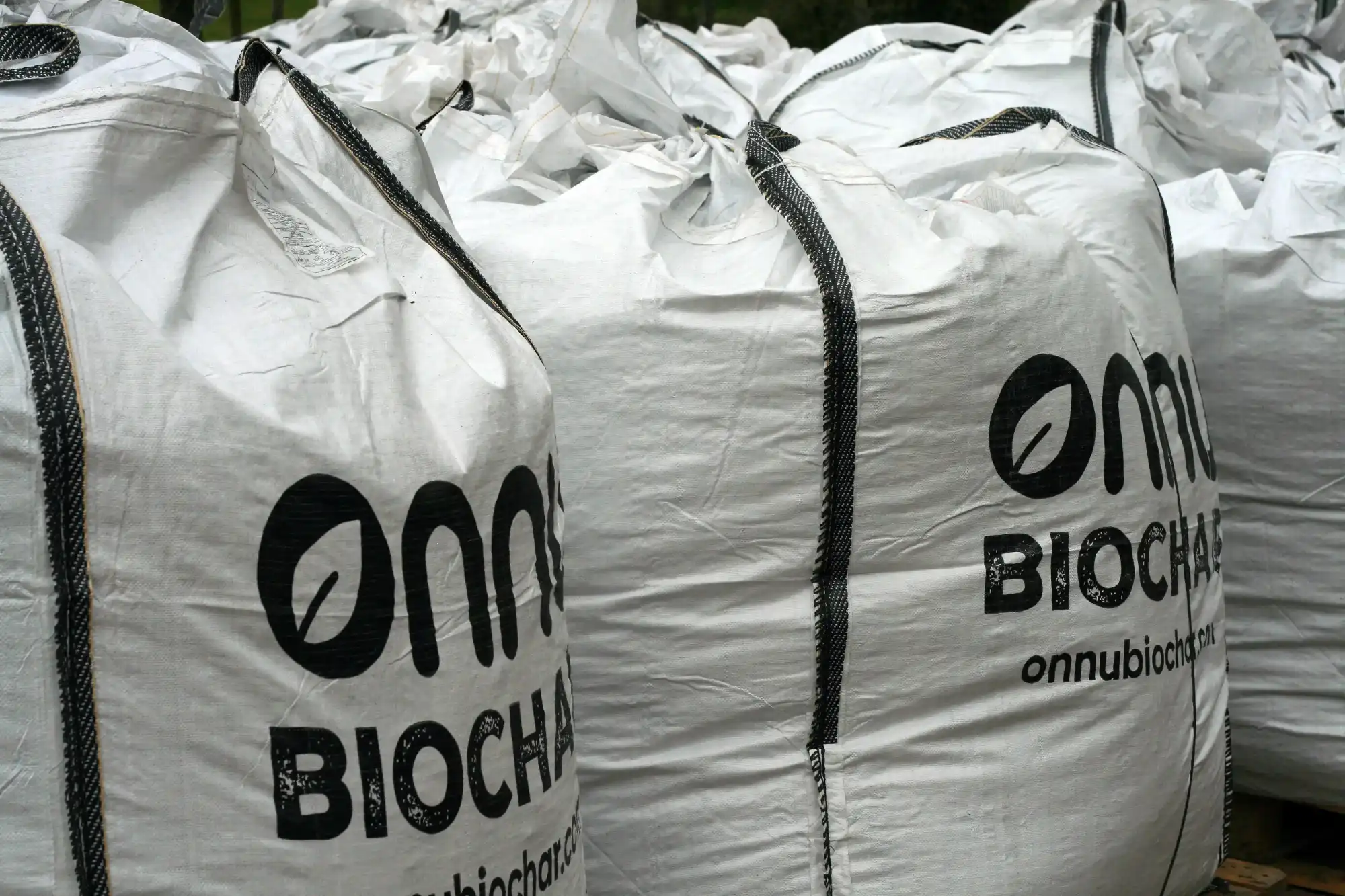
At Onnu Bioflow, our biochar pricing varies depending on the quantity ordered. For smaller quantities (1-5 bulk bags), our pricing is around £185 per m3. For larger quantities (50+ bulk bags), pricing is around £150 per m3.
What does EBC certified UK biochar mean?
EBC-certified UK biochar means that the biochar has been certified by the European Biochar Certificate (EBC), a recognized standard for ensuring the quality and sustainability of biochar products.
EBC certification guarantees that the biochar meets specific criteria for production, including the use of sustainable feedstocks, low levels of contaminants, and efficient carbon sequestration. This certification also supports transparency and traceability, ensuring that the biochar contributes positively to environmental goals.
How is
biochar different?
What is the difference between biochar and charcoal?
Biochar and charcoal are both produced through pyrolysis but have different purposes.
- Biochar is used in agriculture and environmental applications to improve soil health, retain nutrients and water, and sequester carbon. It’s made from sustainable materials and is intended to remain stable in the soil long-term.
- Charcoal is primarily used as a fuel for heating and cooking. Unlike biochar, charcoal is burned, releasing carbon back into the atmosphere.
What is the difference between ciochar and compost?
Biochar and compost are both valuable for improving soil health, but they serve different roles.
Biochar is a carbon-rich material created through pyrolysis, which enhances soil structure, increases nutrient retention, improves water retention, and sequesters carbon. It remains stable in the soil for long periods, providing ongoing benefits.
Compost is decomposed organic matter rich in nutrients and beneficial microorganisms. It directly adds nutrients and organic matter to the soil, boosting fertility and promoting plant growth.
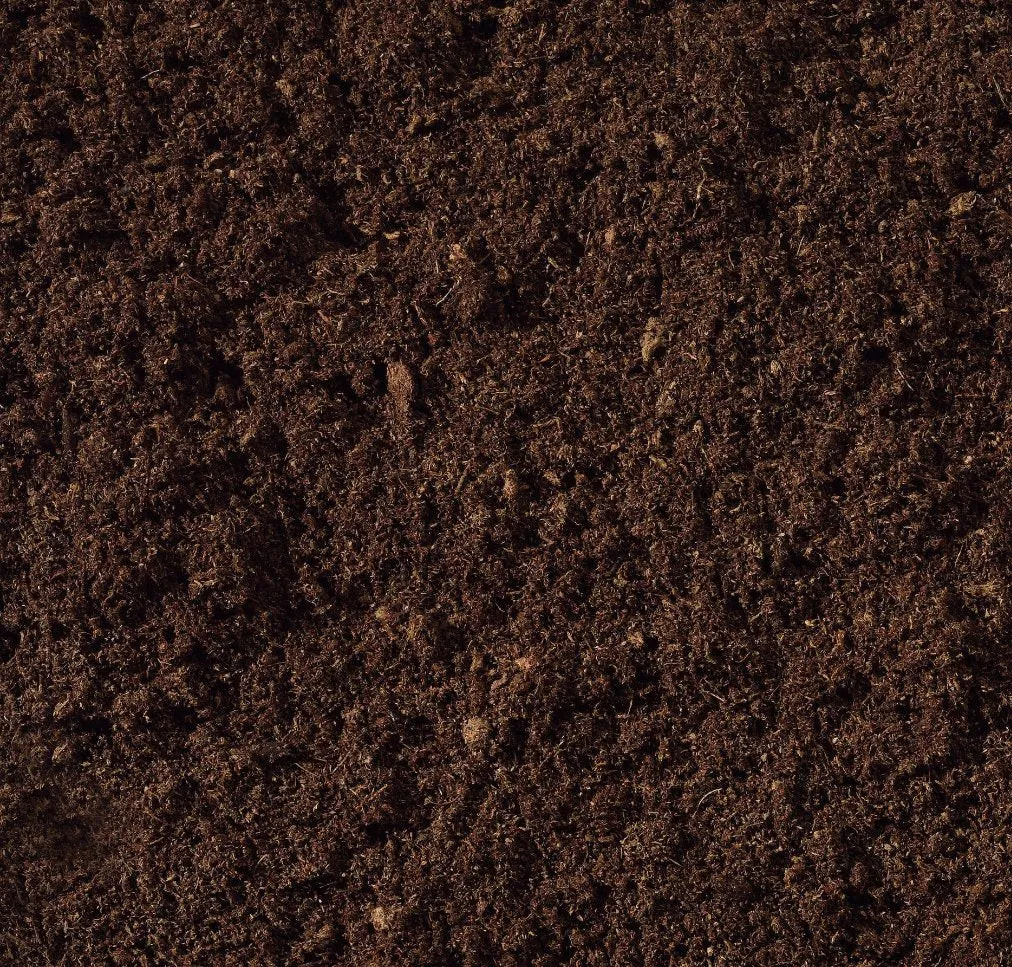
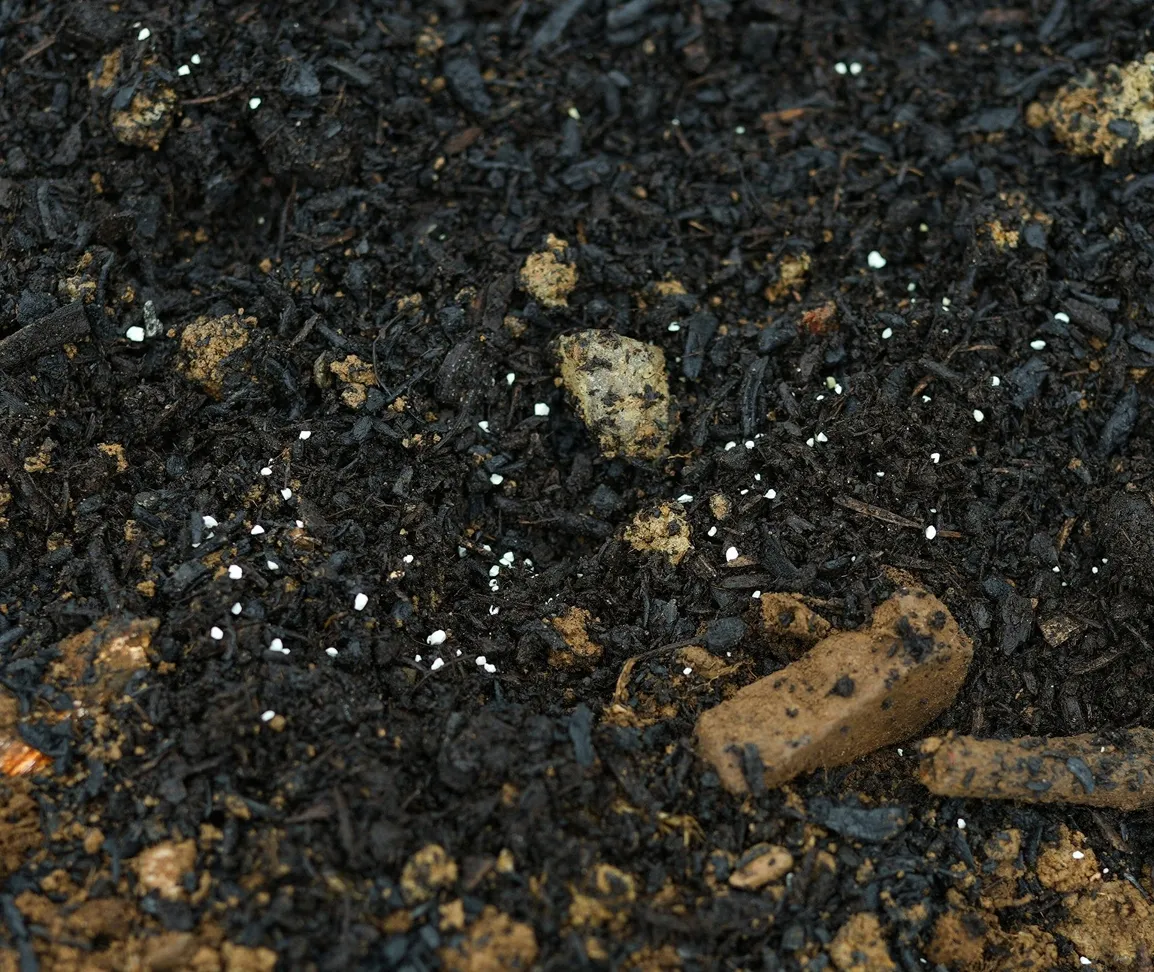
When used together in a biochar-compost blend, they complement each other. Biochar improves soil structure and retains nutrients, while compost provides the nutrients and organic matter. This combination enhances soil health, boosts plant growth, and promotes long-term soil fertility
What are the differences between pure biochar and biochar blends?
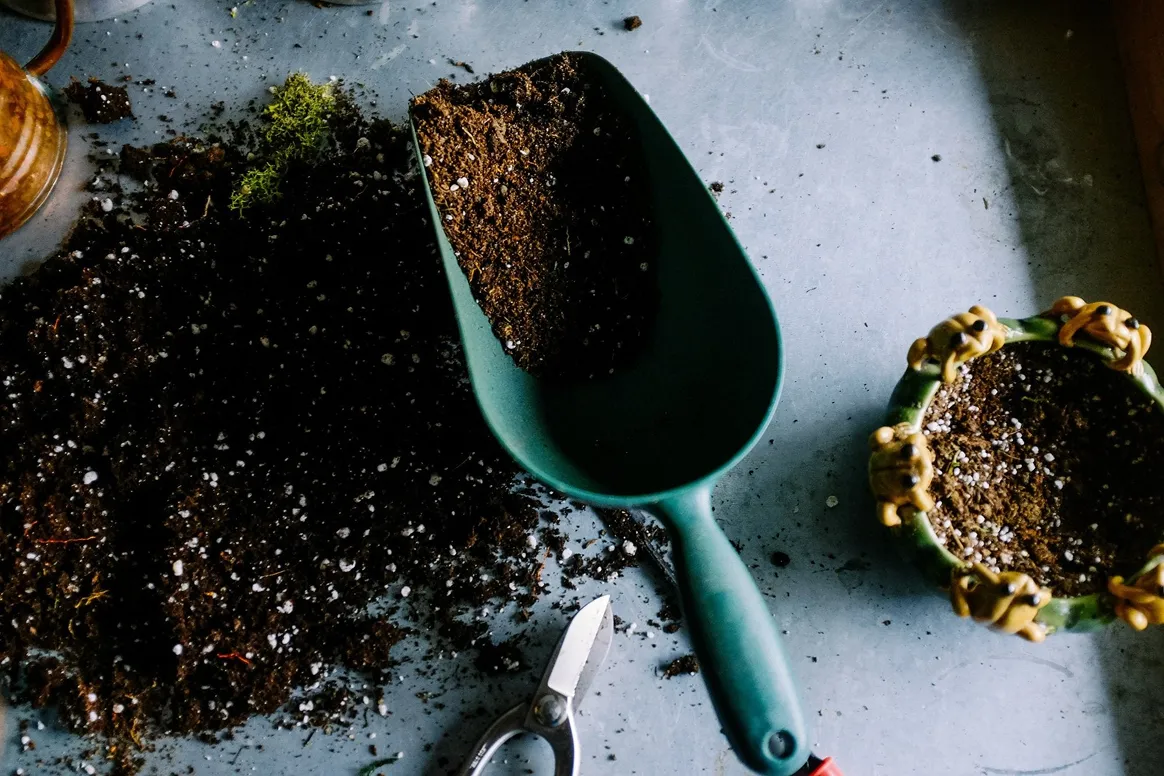
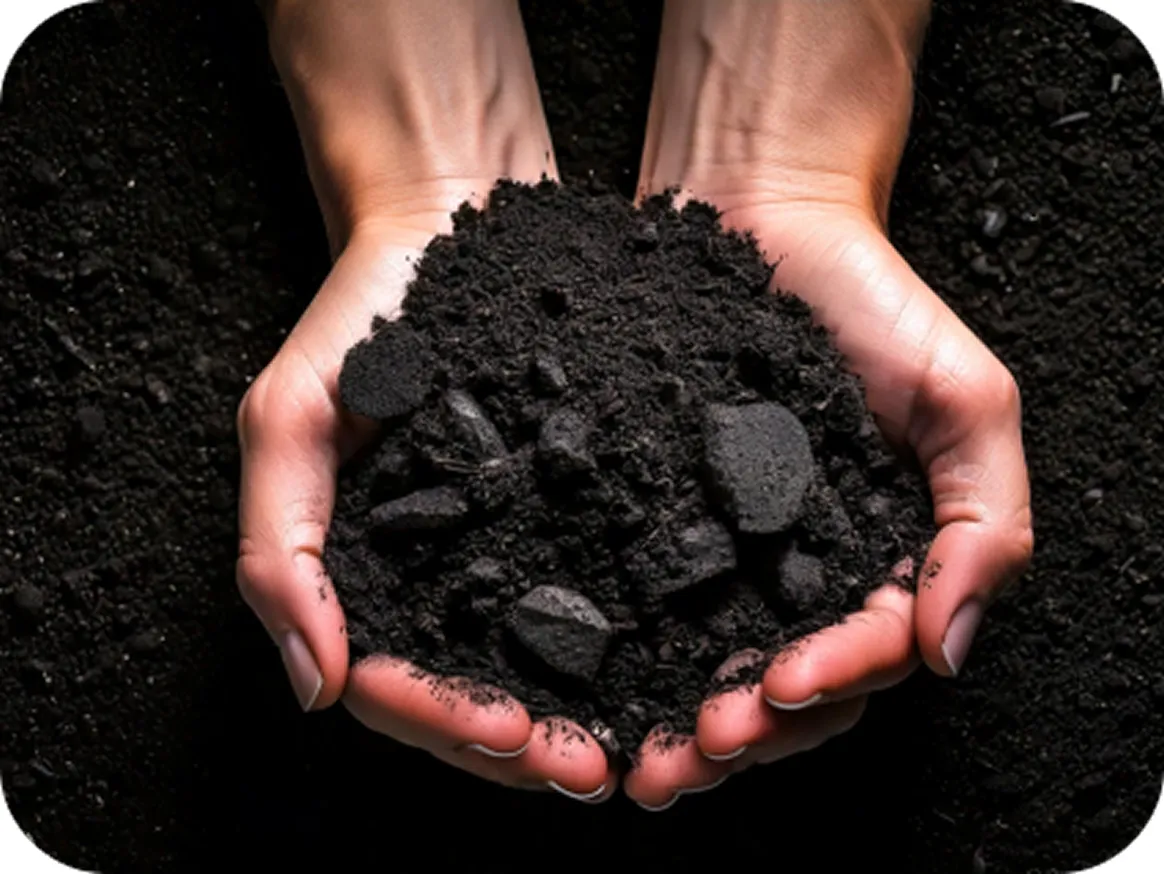
Pure Biochar is biochar in its raw, unaltered form. It is primarily used to improve soil structure, increase nutrient and water retention, and sequester carbon. Pure biochar is versatile and can be tailored to specific applications by adjusting its particle size and application rate.
Biochar Blends combine biochar with other materials, such as compost, manure, or fertilisers. These blends offer the combined benefits of biochar’s soil-enhancing properties and the added nutrients or organic matter from the other components. Biochar blends are often customized for specific uses, such as boosting plant growth or enhancing soil fertility.
Biochar UK
Onnu Bioflow
Does Onnu Bioflow manufacture Biochar in the UK?
Yes, Onnu manufactures biochar in the UK. You can find out more about our production sites here.
What feedstock is used by Onnu Bioflow to manufacture biochar?
We use a variety of feedstocks to manufacture our biochar, including local waste soft and hard woods, which are sustainably sourced and reduce landfill waste. In addition to wood, we also incorporate other feedstocks such as poultry litter to enhance the nutrient profile and effectiveness of our biochar. This diverse approach not only supports environmental sustainability and a circular economy but also ensures high-quality biochar for various applications.
Is Onnu Bioflow's biochr EBC certified?
Yes, all of our UK Biochar is EBC certified.
Are Onnu Bioflow's products suitable for UK commercial applications?
Yes, Onnu Bioflow's products are suitable for a range of UK commercial applications. Our biochar is designed to meet the needs of various industries, including agriculture, horticulture, landscaping, and construction.
We offer high-quality pure biochar and specialized blends, such as compost mixes for horticulture, seeds, and trees, ensuring that our products enhance soil health, improve plant growth, and support sustainable practices.
Additionally, our biochar meets industry standards, making it an effective choice for commercial use across diverse applications.
.webp)
