Biochar for building materials
Biochar in concrete can increase performance and help meet sustainability targets.
Key features
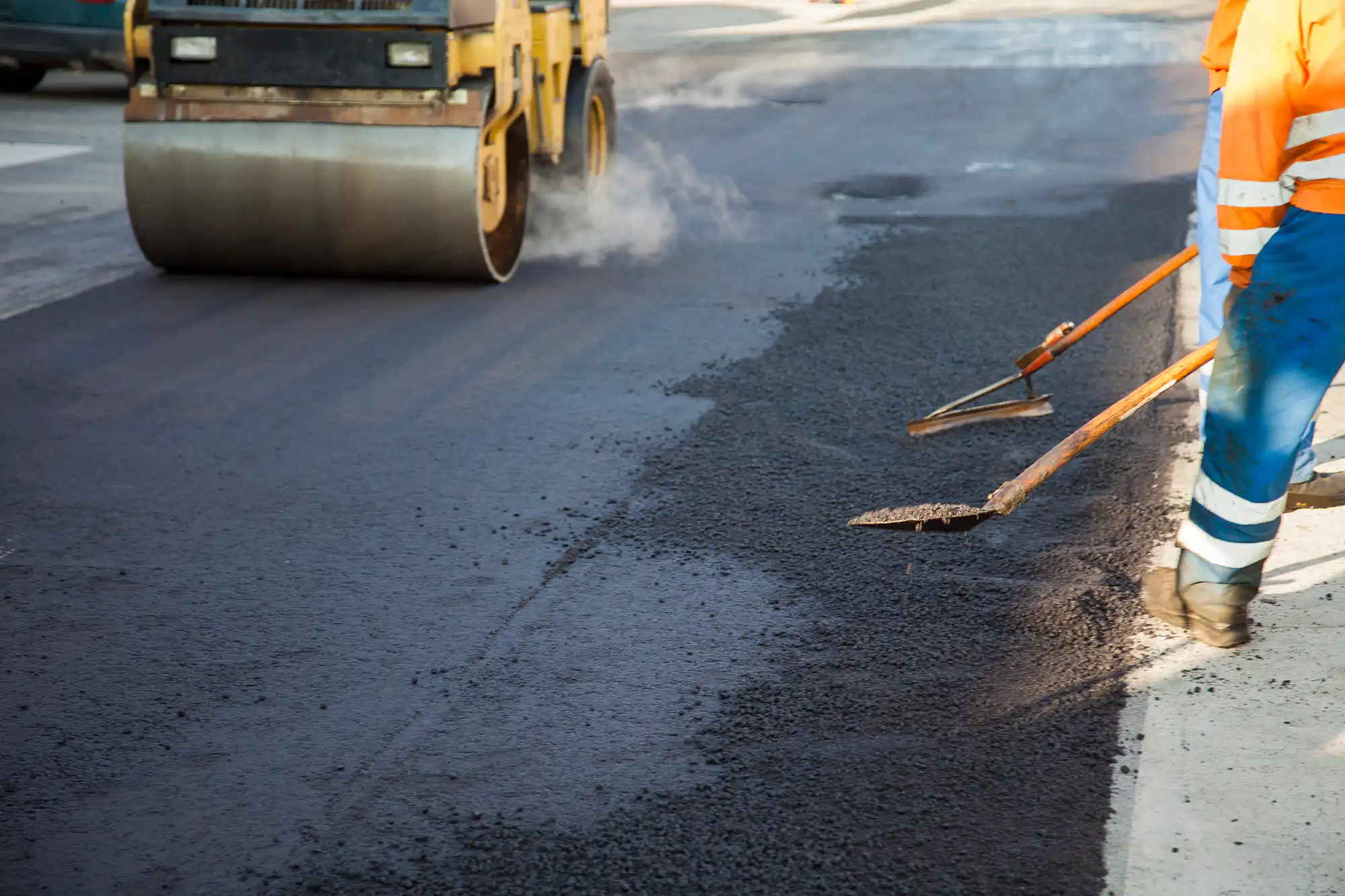
Biochar can be added to concrete and other building materials to increase performance and help achieve sustainability targets.

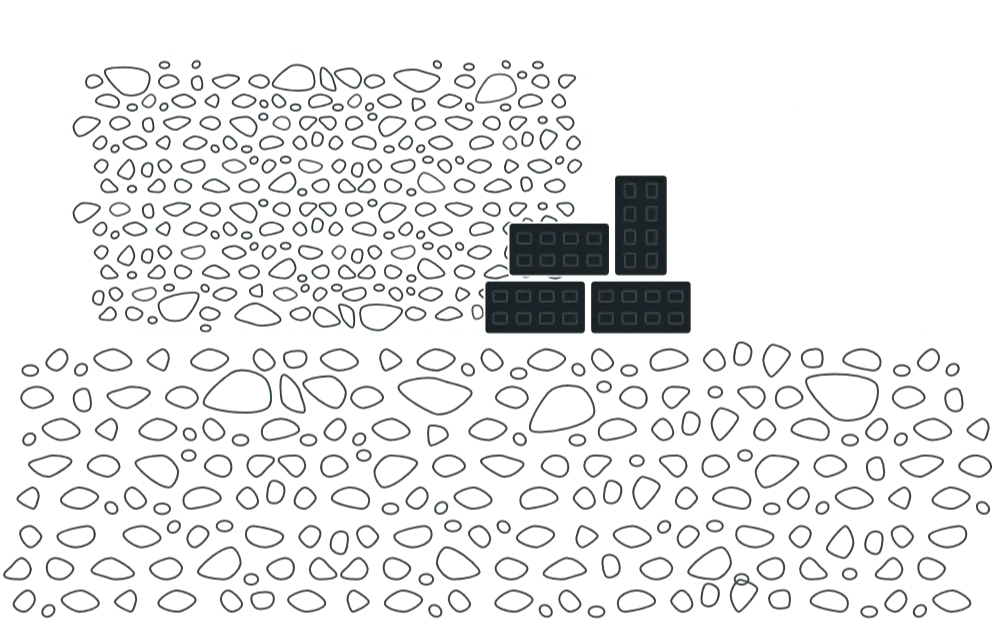
Biochar's porous structure and large surface area reduces thermal conductivity.

Biochar is significantly lighter than traditional aggregates (like sand or gravel).

Biochar-concrete can improve resistance to freeze-thaw damage and chemical attack.
Be part of building a more sustainable future
The buildings and construction sector are by far the biggest emitter of greenhouse gases, accounting for 37% of emissions globally (UNEP). Materials have a large carbon impact either through energy intensive production (for example with cement), or through the environmental impact of material extraction.
The market for lower carbon products is growing fast, and biochar can give manufacturers a route to develop high-quality, lower carbon products. Additionally, biochar itself can introduce desirable properties to materials, such as flexibility or insulation.
Whilst displacing other materials will have an immediate impact on the carbon footprint of products, the method by which biochar is produced is itself an engineered carbon removal process. Businesses wishing to go further to offer a net-zero, or even a carbon negative product, can offset any residual impact by acquiring the carbon credits generated during the biochar’s production.
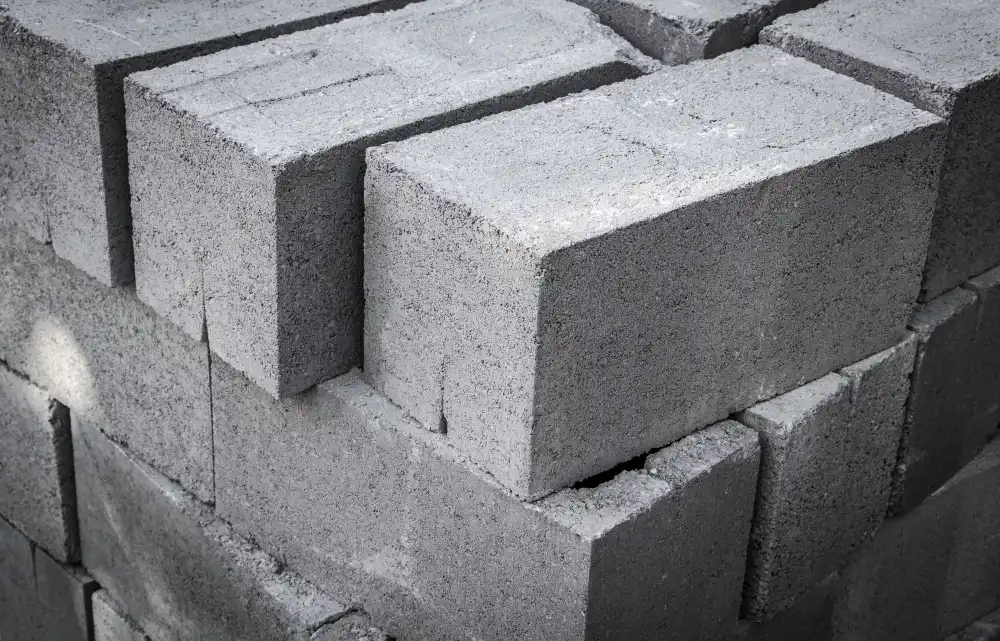
Application of biochar in cement
Rate of Application: 3-5% by weight of building material.
Ideal Particle Size: Very fine particles (<1mm).
Powerful carbon storage
By including materials like biochar, building materials have the potential to store more than 16 billion tonnes of CO2 annually.
This is roughly half of the 35 billion tonnes emitted globally each year.
Case Study -
Carbon Cell, London
The Problem: Over 10 million tonnes of expanded polystyrene are produced each year, enough material to cover the continent of Europe 50mm thick.
The Solution: Carbon Cell have developed an alternative to plastic foams. Their product fully compostable and carbon-negative, made from biochar and natural polymers.
The Result: Carbon Cell have made a product that is carbon negative, due to the inclusion of biochar. Their foam is high performing (three times stronger than expanded polystyrene!) It also offers flexible manufacturing and can be moulded into various shapes, making it suitable for applications in packaging, construction, and insulation.
You can find out more about Carbon Cell in our full case study run down here.
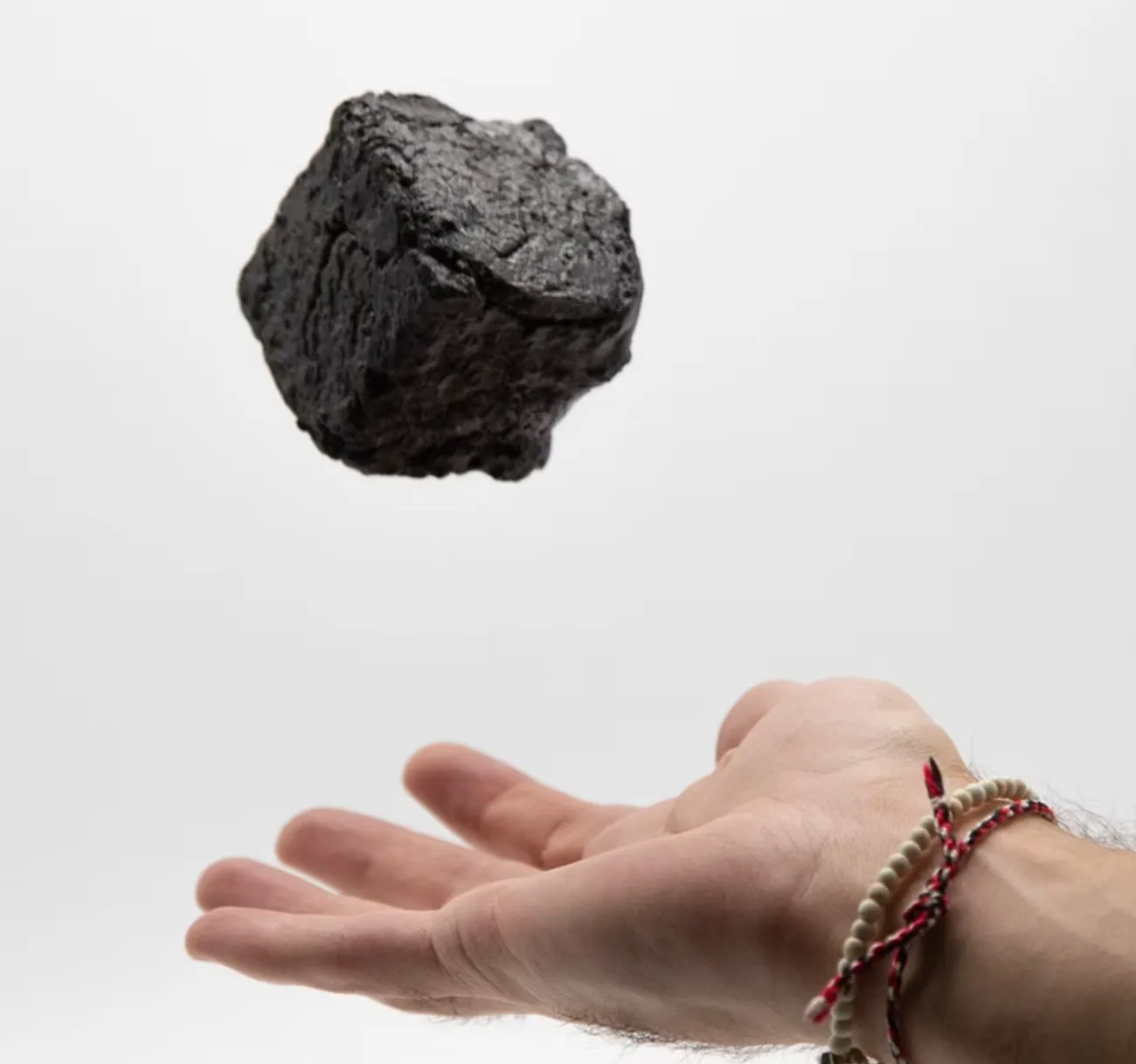
Interested in buying biochar for construction?
Diversify your product portfolio and make strides towards your net-zero targets with the addition of biochar to building materials.

Explore more
biochar applications
Landscaping
Biochar helps create healthy, sustainable environments that will look great and provide soil benefits for years to come.
Growers
If your business needs high yields, healthy produce and a long shelf life, biochar can deliver great, sustainable results.
Building Materials
Biochar can be added to concrete and other building materials to increase performance and help achieve sustainability targets.

Animal Bedding
Biochar can improve animal heath and reduce emissions and odors from livestock.


Transportation & delivery
