What is biochar?
Biochar is a material rich in carbon, created by heating biomass to a very high temperature in the absence of oxygen - a process called pyrolysis. Biochar is primarily used as an effective, yet sustainable, soil amendment.
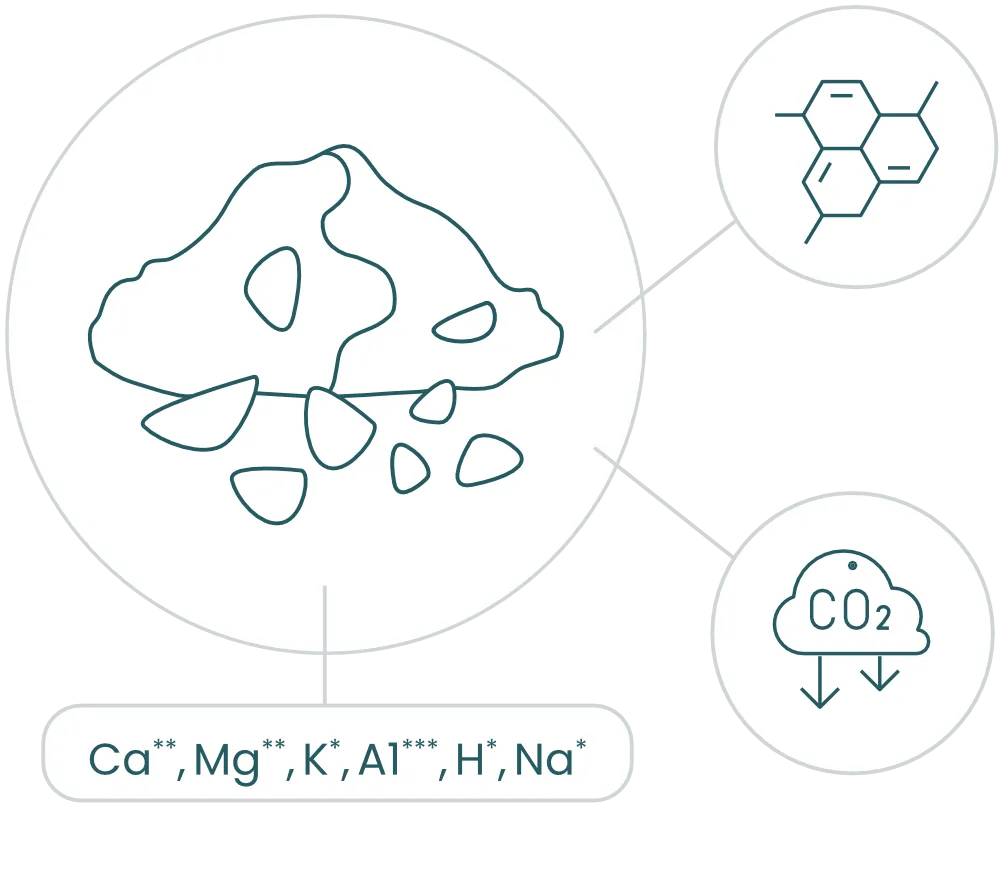
Biochar explained
Biochar is a solid, black substance which bears a strong resemblance to charcoal. It is lightweight, fine-grained and very porous, which are all properties that are useful in its primary use as a soil amendment, but also in a range of other applications.
Biochar is produced during a process called pyrolysis – heating biomass to a very high temperature in the absence of oxygen. The pyrolysis process also generates heat, making the reaction self-sustaining, with the excess energy available as a source of green energy. The process is therefore an engineered carbon removal technology.
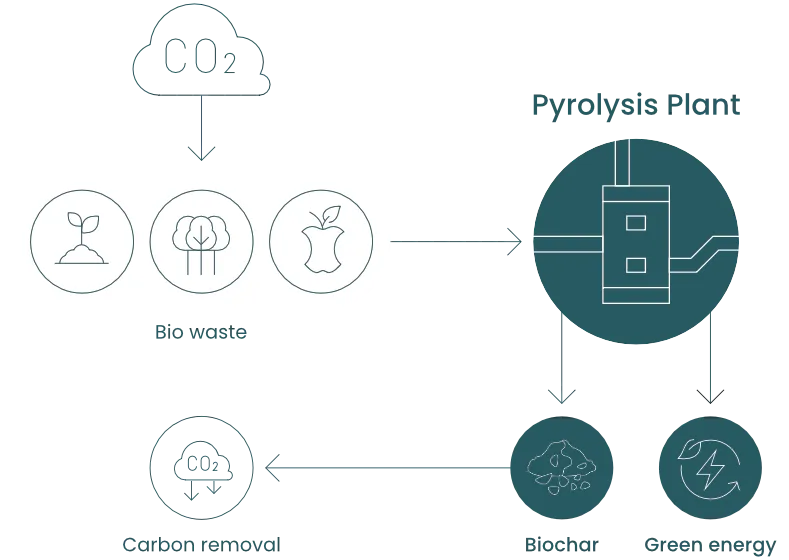
How is biochar made?
What is the history of biochar?
Humans have actually been making biochar for thousands of years. Scientists have discovered areas of dark, nutrient-rich soil in the Amazon rainforest, on land that indigenous Amazonians have been farming for millennia. This dark and high quality soil was an anomaly amongst the drier, nutrient-poor soil that is more commonly found in the Amazon.
‘Terra Preta’ (literally ‘black soil’) was found to have been created by adding organic materials and charcoal to the naturally poor rainforest soil. The practice, which dates back at least 2,500 years, resulted in highly fertile, long-lasting soil that amazingly remains productive to this day.
Even without the luxury of lab testing, ancient Amazonian people realised the benefits that Terra Preta brought to their land - the proof was in increased yields and larger produce. What they may not have realised however, was the environmental benefits that biochar brings.
Ancient AmazoniansThe original climate warriors
Terra preta is extraordinarily rich in nutrients, but also a powerful carbon sink – up to 7.5 times more carbon was found in Amazonian dark earth, compared to the surrounding soils.
Biochar feedstock
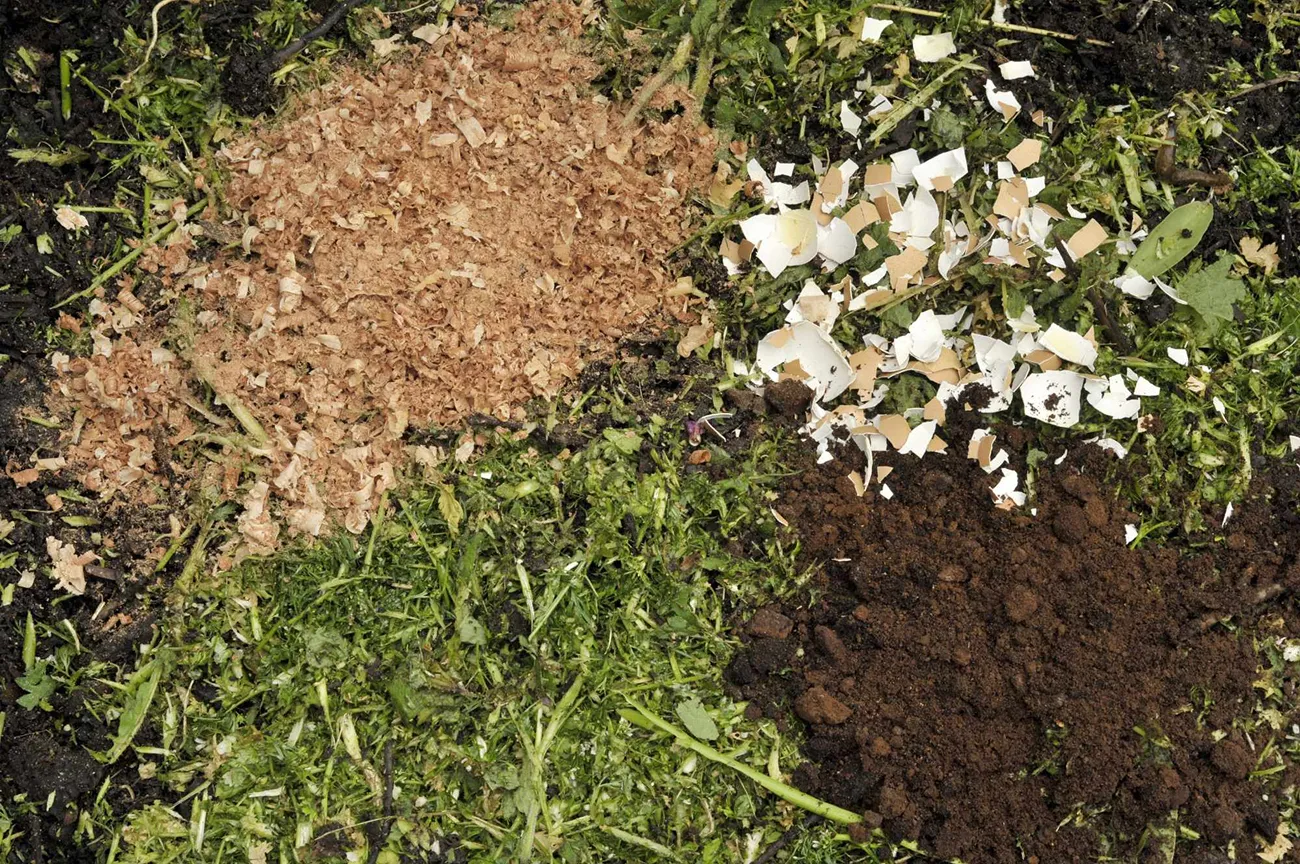
Biochar can be made from all kinds of biomass feedstocks. Each type of biomass has its own physiochemical characteristics which influence the biochar produced, meaning a biochar production facility can tailor their process to create “designer” biochar. A few examples of feedstock include woody by-products, green waste, compost oversize, AD digestate, food by-product, poultry litter and arb by-product.
A feedstock's physical and chemical properties play a vital role in deciding the properties of biochar that will be produced. Some of the key properties include:

In general being over 12 MJ/kg on a dry basis will keep the production process self-sustaining. Any more than that can be used to dry feedstock or generate green energy.

The more fixed carbon, the more will be sequestered in the biochar, generating carbon credits. Usually, upwards of 25% is a good figure.

Different feedstocks will deliver different amounts of biochar for every tonne of feedstock. Typically, high volatile matter will convert to energy, making less biochar.

A wet feedstock requires significant energy to bring the moisture content down to the required 15%, which can usually be powered from green energy from the pyrolysis process.
Carbonsequestered
The carbon contained in all biomass was at one time absorbed from the atmosphere as plants. If left to decay or burned, the CO2 returns to the atmosphere. By heating biomass in the absence of oxygen, we can interrupt this cycle and securely sequester the carbon in a substance called biochar.
The biochar properties
that build healthier soils
Biochar has a range of benefits when applied to soil. One key feature is its high carbon content which, depending on the original feedstock choice, is likely to be between 50-90% of material. The remainder of the biochar is typically made up of ash, which is a source of trace elements required by plants can hold high levels of nutrients.
Some of the properties of biochar which can positively impact soil and plant growth are:
PH LEVELS
PH ranges from 0 (acidic) to 14 (alkaline), with 7 being neutral. Biochar is typically alkaline and can help reduce soil acidity. Most plants like a pH of between 6 and 7.5, but there are some acid/alkali loving plants which like more extreme conditions.

BIOCHAR SURFACE AREA
The surface area of biochar is linked to its porosity. Biochar with a high surface area possess a higher water Holding Capacity (WHC) and can support greater microbial life (given microbes like to live in biochar pores).

CATION EXCHANGE CAPACITY (CEC)
CEC measures a material's ability to hold and exchange positively charged ions (cations) like calcium, magnesium, and potassium. Biochar can boost soil’s CEC, leading to better nutrient retention and a consistent supply to plants over time.

WATER HOLDING CAPACITY (WHC)
The WHC measures how much water a material can hold as a percentage of its dry weight, before it is fully saturated. A high-WHC indicates a material will remain moist and require less watering. Biochar’s high WHC helps the soil retain moisture and nutrients.

ELECTRICAL CONDUCTIVITY (EC)
Conductivity measures the soil’s ability to conduct an electrical current. Higher EC indicates higher salinity and nutrient availability in products. Biochar can boost the EC of soil, promoting better nutrient uptake.

HYDROGEN TO CARBON RATIO
The H/C ratio indicates the amount of hydrogen to carbon present in the biochar. The lower this figure the more stable the biochar is, resulting in the biochar and its carbon remaining in the soil without breaking down.

MACRO & MIRCO-NUTRIENTS
The nutrient composition of biochar affects its ability to support plant growth and soil fertility. Biochar can contain varying levels of macronutrients like NPK. It may also include trace amounts of micronutrients such as copper, manganese and zinc.

BENEFICIAL MICROORGANISMS
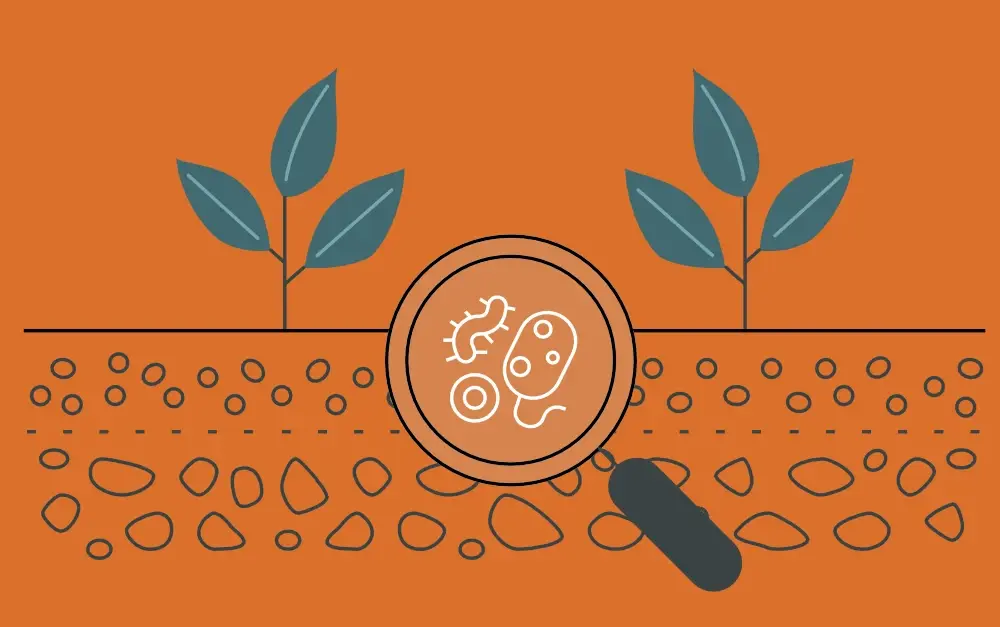
Biochar can contain beneficial microorganisms that are already present within it, which can help improve soil health. Additionally, biochar’s porous structure and surface chemistry provide an ideal habitat for microbes from the surrounding soil to colonise.
Biochar applications
Adding biochar to soil is the most common usage. Biochar in soil boosts nutrient and water retention, resulting in increased root growth, higher yields and bigger produce. These benefits alone are enough reason to use biochar but, coupled with its sustainability credentials (sequestering carbon that would otherwise be released into the atmosphere), biochar really is a win-win soil amendment.
But biochar isn’t limited to soil application. In more recent years, trade and industry have been finding new application settings, putting biochar’s many varied properties to good use. Here are just a few of the ways biochar can be used:
Landscaping
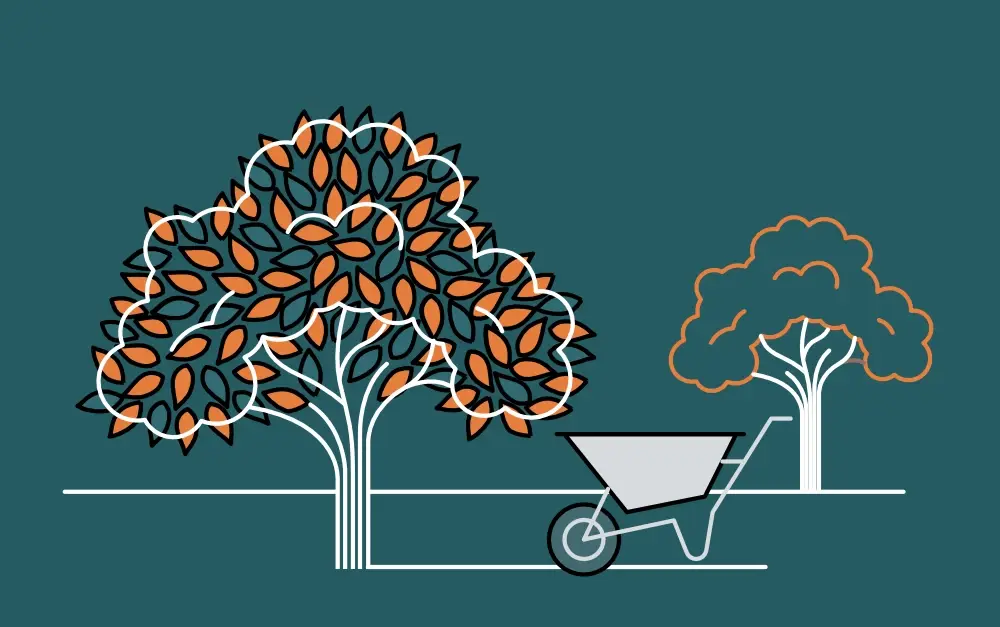
Biochar helps create healthy, sustainable environments that will look great and provide soil benefits for years to come.
Growers
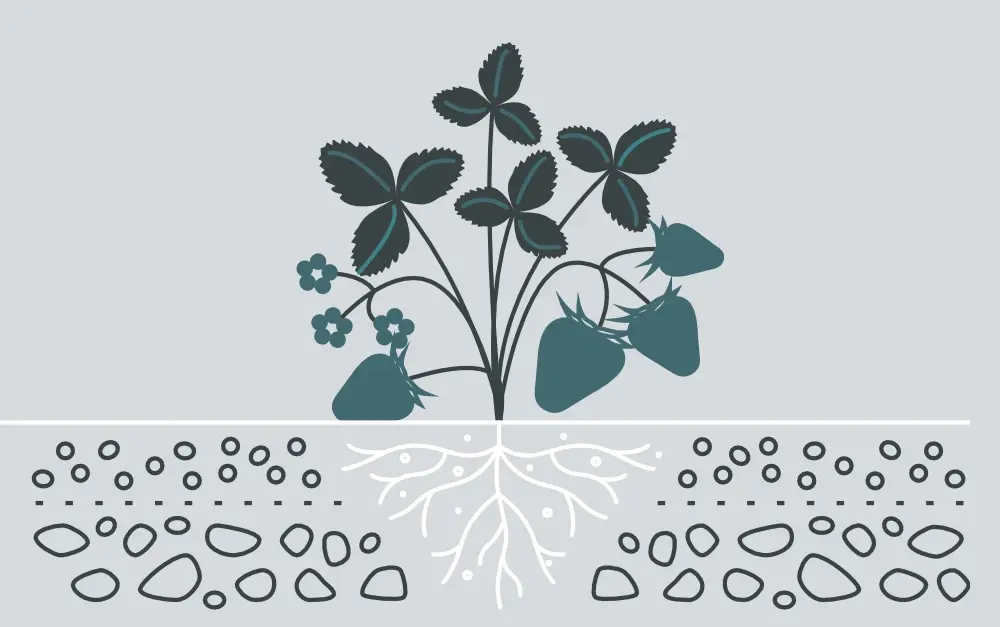
If your business needs high yields, healthy produce and a long shelf life, biochar can deliver great, sustainable results.
Building Materials
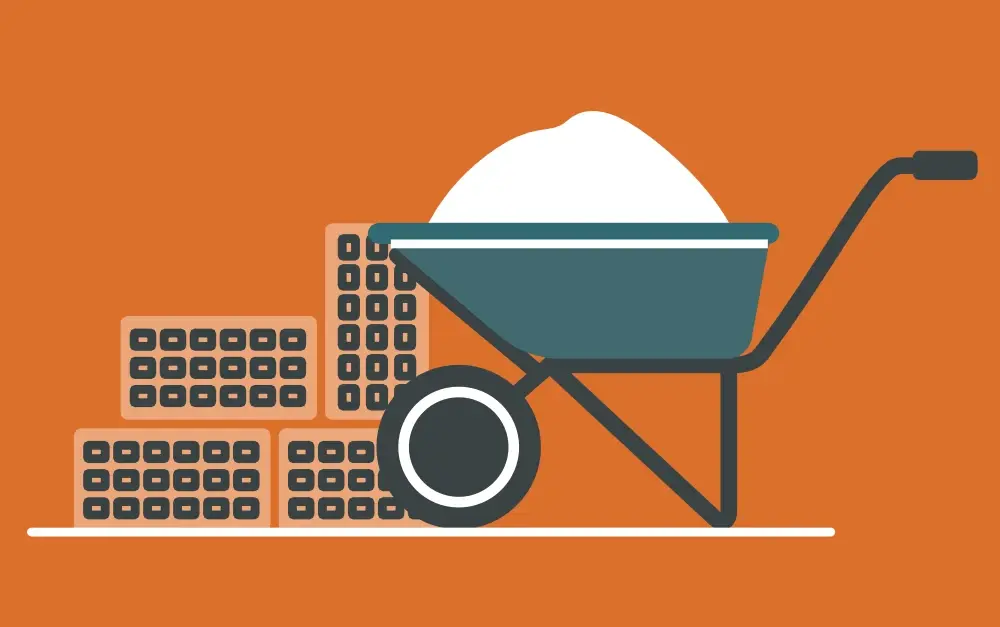
Biochar can be added to concrete and other building materials to increase performance and help achieve sustainability targets.

Animal Bedding
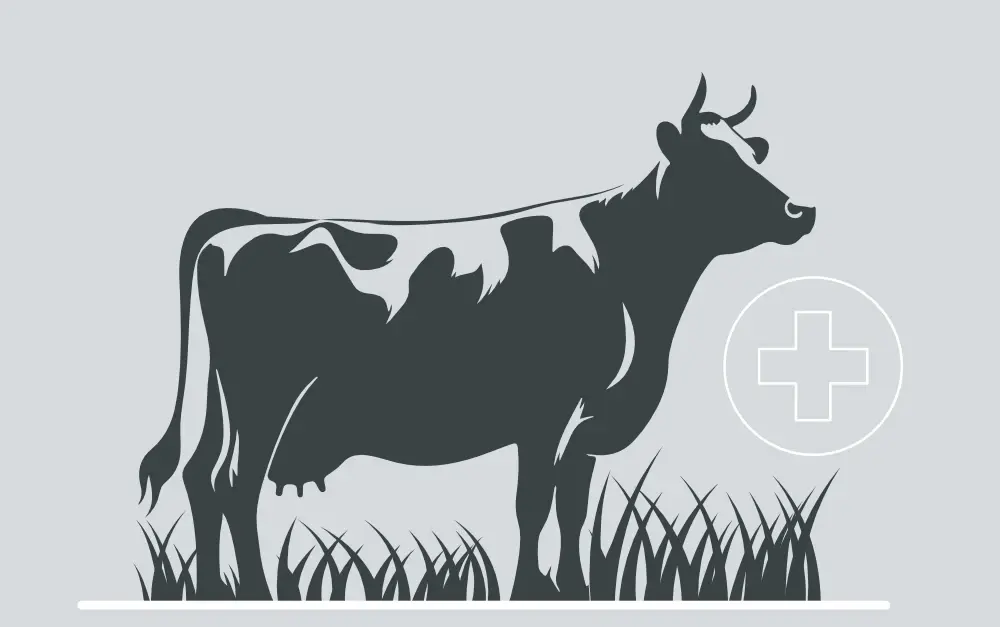
Biochar can improve animal heath and reduce emissions and odors from livestock.
Reducing carbonin cows
Adding just 0.5 - 1% of biochar to livestock feed can reduce methane by 10%+. Biochar passes through the cow and, once it comes out the other side, beetles and other critters get to work to bury this carbon into the ground. This natural process keeps carbon locked away for hundreds of years, all whilst improving soil health.
Is biochar
sustainable?
Yes! Biochar is considered a sustainable product for the following reasons:
1) Carbon Sequestration – Biochar locks away carbon in a stable form for hundreds to thousands of years, preventing it from re-entering the atmosphere as CO₂. Through pyrolysis, roughly 50% of the carbon that would otherwise be emitted is saved and stored.
2) Soil Improvement – Biochar enhances soil fertility, improves water retention, and supports microbial life, reducing the need to produce and apply chemical fertilisers.
3) Waste Reduction – Biochar is made from biomass waste (feedstocks include arboricultural waste, AD Digestate and poultry litter), turning waste into a valuable and environmentally responsible resource.
4) Renewable Production – If produced using sustainable biomass sources and self-sustaining pyrolysis (low-oxygen heating), producing biochar can be carbon-negative.
Biochar as part of the
peat-free solution
Peat extraction releases stored carbon into the atmosphere, contributing to climate change. It also contributes to the destruction of unique ecosystems, threatening biodiversity and displacing species that depend on these habitats. These adverse effects have driven the call for sustainable, peat-free solutions. Biochar, with its moisture and nutrient retention capabilities, as well as its ability to sequester carbon, is being increasingly turned to as part of the peat-free solution.

Peat belongs in bogs,not bags
Emissions produced by peat extraction in the UK since 1990 are equivalent to 15 million return flights from London to New York (based on emissions from a return flight amounting to 2 tonnes CO2e).
Want to
learn more?
Our factsheet is a comprehensive guide for biochar and how it works. With summaries, glossaries, property tables, product descriptions and application rates, this fully-referenced factsheet can help you familiarise yourself with the world of biochar.
Interested in buying biochar?
Improve soil fertility, strengthen low-carbon concrete, enhance filtration and remediation, or support animal health with our premium biochar.


Transportation & delivery
