Biochar for animal bedding
Biochar can improve animal heath and reduce emissions and odors from livestock.
Key features
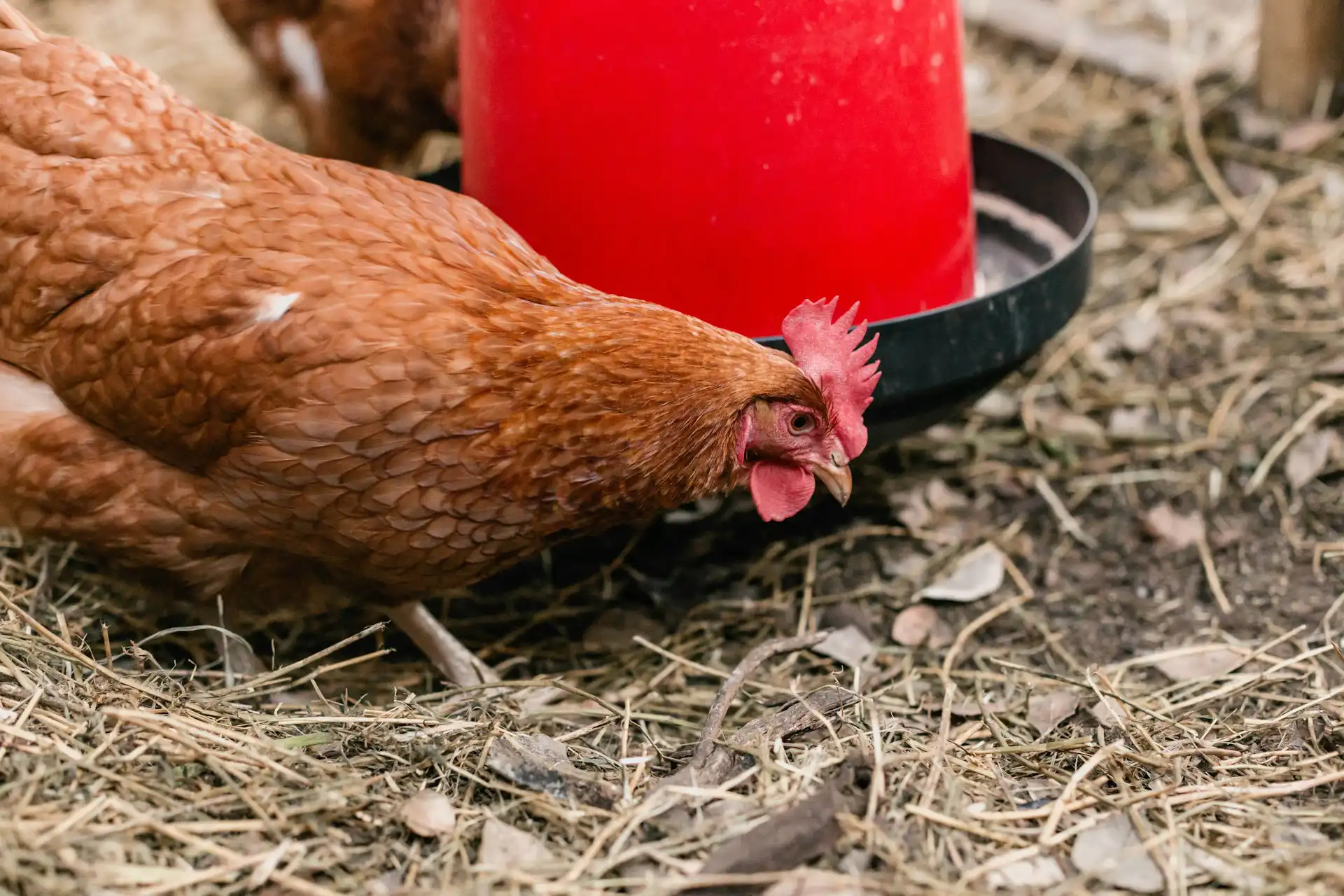
Adding biochar to traditional animal bedding such as straw or wood shavings delivers advantages for livestock health, hygiene, odor control and increases the effectiveness of the bedding if later applied to soil as a fertilizer.

Biochar helps to prevent urea turning into ammonia, boosting animal health.

Biochar reduces moisture, and as a result the risk of disease and odors.

Biochar retains nutrients and minerals, making for better fertilizer.
Bedding that lasts
Animal bedding often retains moisture, leading to bacterial growth, ammonia build-up, and strong odors that can harm livestock health and air quality. Additionally, issues like high costs, waste management challenges, and pathogen risks make maintaining clean and sustainable bedding difficult.
Biochar can offer a solution to many of these problems, and can be applied to agricultural soil afterwards to bring benefits to crops.
Cleaner bedding with biochar
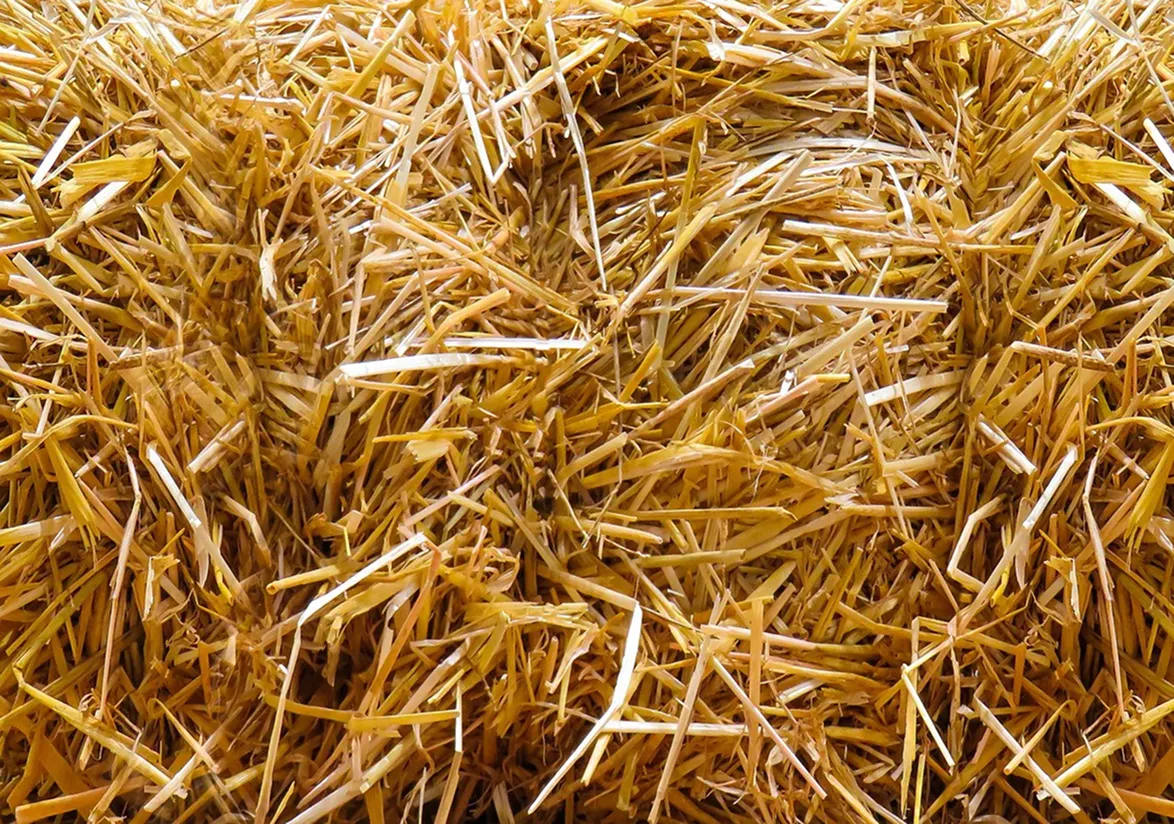
Adding biochar to animal bedding at 5-10% of the overall volume can reduce ammonia emissions by roughly 26-43 %, compared to bedding without biochar.
Application of biochar in animal bedding
Rate of Application: ~10% by volume of animal bedding media.
Ideal Particle Size: Coarse particles (5-20mm) to withstand mechanical stresses.
Interested in buying biochar for animal bedding?
Prevent disease and lower vet costs with dryer bedding, and increase the value of your fertilizer by applying biochar to animal bedding.

Explore more
biochar applications
Landscaping
Biochar helps create healthy, sustainable environments that will look great and provide soil benefits for years to come.
Growers
If your business needs high yields, healthy produce and a long shelf life, biochar can deliver great, sustainable results.

Building Materials
Biochar can be added to concrete and other building materials to increase performance and help achieve sustainability targets.

Animal Bedding
Biochar can improve animal heath and reduce emissions and odors from livestock.

Transportation & delivery
